
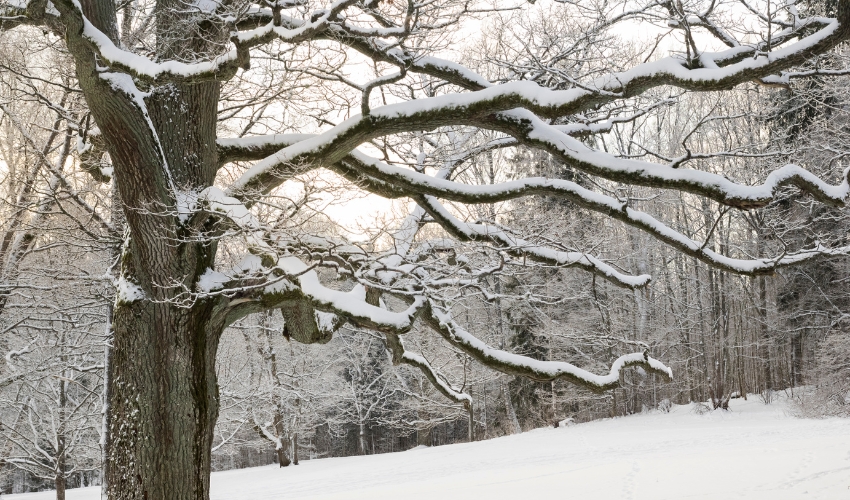
That mature oak towering over your Newburgh driveway has survived decades of Hudson Valley winters, but will it survive the next one?
Every fall, homeowners throughout the region face a critical decision: schedule a professional tree risk assessment now, or gamble that your valuable trees won’t become expensive liabilities during winter storms. With the Hudson Valley experiencing frequent severe weather, the odds aren’t really in your favor.
Key Takeaways
- Late fall represents the last opportunity for preventive tree risk assessment before Hudson Valley’s harsh winter season, when professional evaluation can identify structural weaknesses invisible to homeowners.
- Professional assessments now allow for immediate corrective action before trees enter full dormancy, while spring evaluations often reveal damage that could have been prevented with fall intervention.
- Emergency tree services during winter storms cost 3-5 times more than preventive care, often involving property damage repair, insurance deductibles, and premium pricing for dangerous working conditions.
- Hill Treekeepers’ ISA Certified Arborists provide comprehensive structural evaluation and professional documentation that protects both property values and insurance coverage.
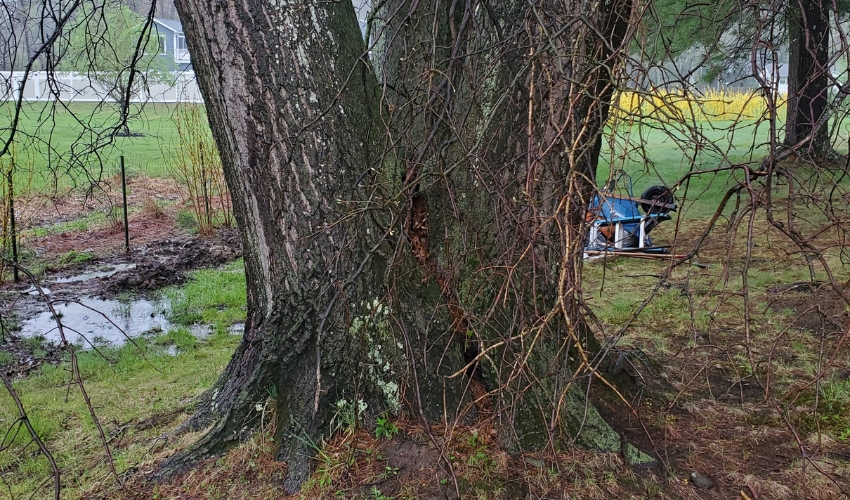
Co-dominant stems like these create dangerous weak points that become critically unstable when loaded with snow and ice during Hudson Valley winters.
Why Should You Schedule a Pre-Winter Tree Risk Assessment?
Late fall is the best time for a professional tree risk assessment because trees are entering dormancy and structural issues become easier to spot. Without leaves blocking visibility, arborists can identify cracks, decay, and weak branch unions before ice, snow, and wind put added stress on them. Addressing these problems now helps prevent winter storm damage and costly emergency removals later.
What Makes Hudson Valley Winter Weather So Dangerous for Trees?
The numbers tell a sobering story about winter weather in our region. Recent years have brought frequent winter storms to the Hudson Valley, with heavy snow and high winds being some of the most threatening forces to local trees. These storms represent thousands of downed trees, damaged properties, and costly emergency responses across neighborhoods from Kingston to Cornwall-On-Hudson.
Historic areas face even greater challenges. Saugerties Historic Village’s mature street trees in tight quarters experience increased vulnerability, while waterfront properties deal with river-effect winds that amplify storm damage. Mountain properties in Woodstock face higher elevation exposure where ice and snow loading can exceed what trees at lower elevations experience.
PRO TIP: Understanding how stormy weather affects your trees is essential for protecting your property investment during the Hudson Valley’s challenging winter months.
What Professional Tree Risk Assessment Reveal That Homeowners Can’t
Even the most attentive homeowner can miss hidden weaknesses that only professional assessments uncover. Certified Arborists identify internal decay, root instability, and branch issues invisible to the untrained yet – problems that often lead to major failures during winter storms.
Hidden Structural Problems Most Homeowners Overlook
Trained arborists evaluate complex structural indicators like root plate stability, trunk taper, and branch attachment angles. These subtle warning signs often precede storm-related failures.
- Co-Dominant Stems: Two trunks sharing the same base seem healthy but form weak unions prone to splitting under snow and ice.
- Cracks and Cavities: Internal decay hidden by bark weakens load-bearing limbs.
- Poor Root Anchoring: Common in compacted Hudson Valley soils, reducing wind resistance.
Pre-winter assessments also reveal signs you need tree pruning before severe weather makes weak branches more dangerous.
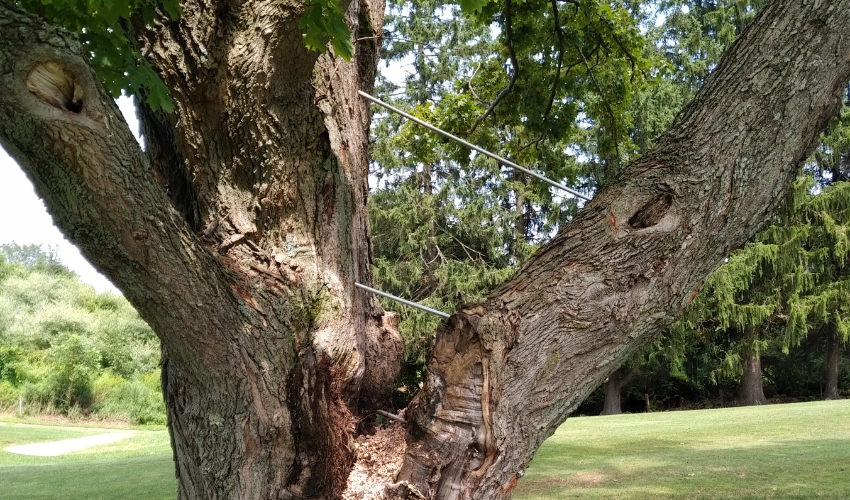
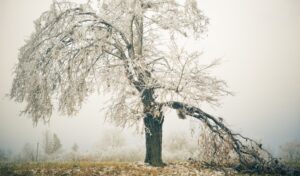
This damaged willow shows how trees with poor structure become dangerous liabilities during Hudson Valley’s frequent winter weather events.
How Hill Treekeepers’ Certified Arborists Protect Your Property
Hill Treekeepers’ ISA Certified Arborists bring years of specialized training and local Hudson Valley experience to every property assessment through a systematic evaluation process. Our comprehensive approach examines each tree for structural defects, disease symptoms, and potential failure points that could threaten your home, vehicles, power lines, or family safety.
During an assessment, our arborists evaluate three critical factors:
- The likelihood that a tree or branch will fail
- What valuable targets could be damaged if failure occurs
- The potential consequences of that damage
This comprehensive approach identifies not just obvious hazards, but subtle weaknesses that could become dangerous during winter storms.
“Pre-winter assessments give us the clearest picture of a tree’s structural integrity before winter stress tests every weakness. We’re not just looking at trees – we’re evaluating the interaction between mature specimens, weather patterns we’ve studied for years, and the unique challenges of historic properties throughout our region.” – Jadon Rodriguez, ISA Certified Arborist at Hill Treekeepers
Every inspection includes photographic documentation, prioritized recommendations, and a written report for insurance or property records, giving Hudson Valley homeowners confidence before winter storms arrive.
Does Emergency Tree Service Cost More Than Prevention?
Yes – often several times more. Delaying a professional tree risk assessment until spring can turn a manageable maintenance job into an expensive emergency.
Hudson Valley homeowners who skip pre-winter inspections frequently face costly storm damage once ice and wind hit. Emergency tree removals during winter storms carry premium rates due to dangerous conditions, limited availability, and urgent response needs. A pruning service that might cost a few hundred dollars in November can climb into the thousands after a January storm – before factoring in property repairs, insurance deductibles, or temporary housing expenses.
By identifying structural weaknesses early, preventive solutions, such as tree cabling and bracing, can often save mature trees and eliminate the need for costly removals.
Frequently Asked Questions About Pre-Winter Tree Risk Assessments
How is a pre-winter assessment different from a spring inspection?
A pre-winter assessment focuses on prevention – identifying weak limbs, structural issues, and root problems before snow, ice, and wind cause damage. Arborists can take proactive steps, like pruning or cabling, to strengthen trees ahead of winter stress.
By contrast, spring inspections are reactive. They reveal the consequences of winter – broken branches, storm damage, or disease that’s already set in.
How long does a professional tree risk assessment take?
A typical residential property assessment takes a few hours, depending on the number and size of trees. Our Certified Arborists examine each tree systematically, document findings, and provide written recommendations. The time investment pays significant dividends in preventing emergency situations.
What happens if problems are found during an assessment?
Pre-winter timing allows for immediate corrective action before severe weather arrives. Depending on issues identified, we might recommend pruning to remove weak branches, cabling and bracing to support compromised structures, or in severe cases, removal of trees that pose unacceptable risk.
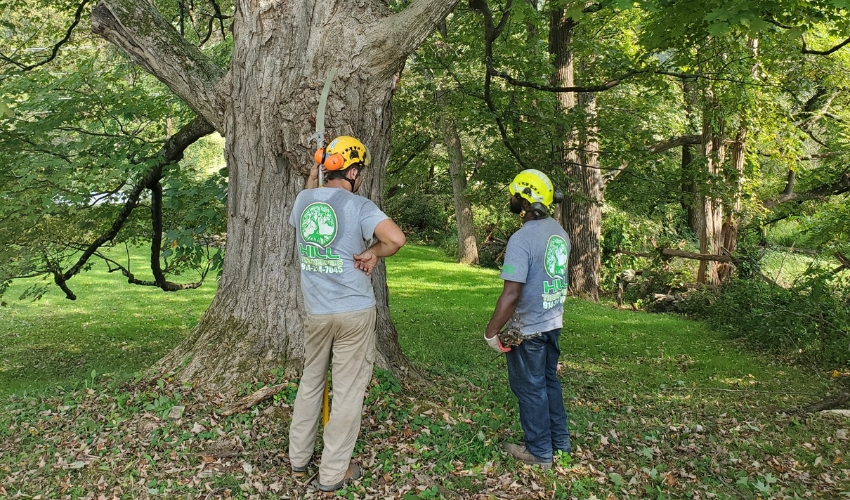
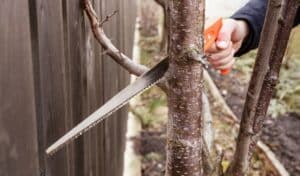
Hill Treekeepers’ ISA Certified Arborists use systematic evaluation to identify structural weaknesses that could become dangerous during winter storms.
Schedule Your Pre-Winter Tree Risk Assessment Today
Don’t gamble with your property’s safety and value. Hill Treekeepers’ Certified Arborists are ready to protect your Hudson Valley investment with a comprehensive pre-winter tree risk assessment. Call 914-214-7045 or request a quote online today – before winter weather arrives.
Share this online!

Get the highest quality of tree services for residential and commercial properties in the Hudson Valley area. We look forward to working with you!
TOPICS
Recent Articles



Don't Miss the Next Update!
Join the thousands of smart Hudson Valley residents who get the monthly newsletter from Hill Treekeepers. It's full of helpful information you won't want to miss!

