
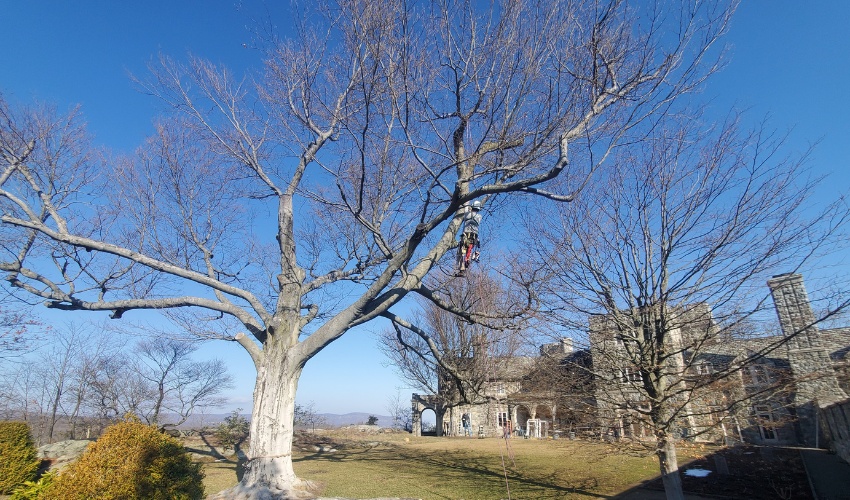
The ideal season for pruning trees in the Hudson Valley is just about to begin – and now is the perfect time to get on your arborist’s schedule. After last winter’s storms left 57,000 residents without power, many in Ulster, Dutchess, and Orange counties learned a costly lesson: proactive dormant pruning prevents the kind of storm damage that reactive tree work can’t undo. Getting ahead of the season ensures your trees stay strong and your property protected all winter long.
Key Takeaways
- Winter is the only safe time to prune elm trees without risking Dutch elm disease exposure, as beetles are dormant October through March.
- Dormant season pruning follows oak wilt prevention protocols, protecting Hudson Valley oaks against potential future disease introduction.
- Storm damage prevention through winter pruning saves thousands compared to emergency removal after weather events devastate unpruned trees.
- Winter pruning costs less due to improved efficiency when leaf-free trees allow faster assessment, and frozen ground prevents expensive landscape damage.
- Professional structural assessment is more accurate during dormancy, revealing branch attachment points and failure zones invisible during the growing season.
- Dormant trees compartmentalize pruning wounds more effectively, directing energy to healing rather than competing with active growth.
- ISA Certified Arborists book 3-4 months ahead because educated property owners understand the narrow window for optimal dormant pruning creates intense scheduling demand.
5 Questions About Dormant Pruning and How it Benefits Hudson Valley Homeowners
Scheduling your tree pruning during the dormant season delivers advantages impossible to achieve during spring or summer, making it a vital part of winter tree care. From protecting trees against deadly diseases to saving money on more efficient service, November through February is optimal pruning season in the Hudson Valley.
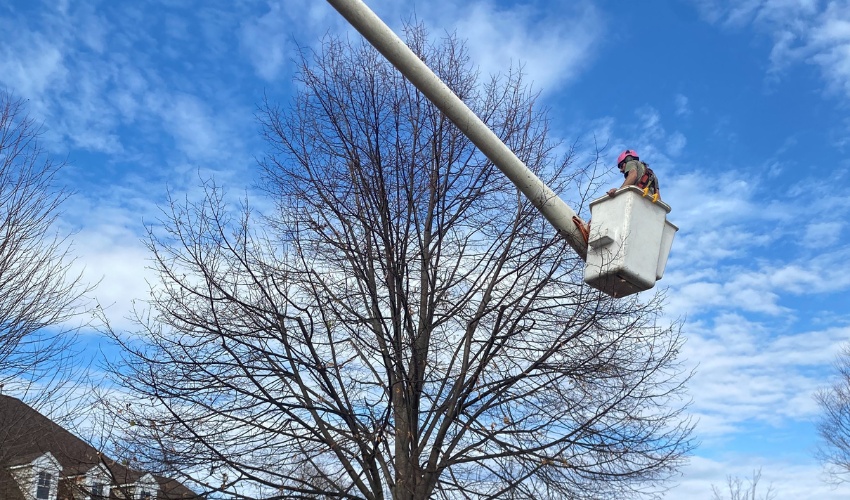
November-December scheduling allows efficient neighborhood tree care during the optimal pruning window.
1. Dormant Pruning Protects Elm and Oak Trees from Deadly Diseases
Dutch elm disease and oak wilt remain among the most destructive tree diseases in North America, making proper timing for pruning these species absolutely critical. Understanding the biology behind safe pruning windows can mean the difference between preserving valuable trees and losing them forever.
Elm Trees and Dutch Elm Disease
Dutch elm disease spreads through elm bark beetles that are active April through October. These beetles carry fungal spores from infected trees to healthy ones, entering through fresh pruning wounds. This creates a narrow window from October to March when professionals can safely perform elm pruning.
For property owners in historic communities, like Rhinebeck and Red Hook, where mature elms contribute significantly to property character and value, this timing isn’t negotiable. Once Dutch elm disease infects a tree, removal becomes the only option.
The disease has already devastated elm populations throughout North America, with some regions losing a majority of their elms. The Hudson Valley’s remaining elm trees represent irreplaceable landscape assets that require expert care during the safe window.
“We steer away from pruning elms from March through September because we won’t risk exposing valuable trees to Dutch elm disease. Property owners sometimes don’t understand why we can’t just ‘be careful,’ but disease transmission isn’t about being careful – it’s about biology and beetle activity periods that don’t negotiate.” – Todd Hill, Owner and ISA Certified Arborist at Hill Treekeepers
Oak Trees and Oak Wilt
While oak wilt hasn’t been detected in the Hudson Valley, professional arborists follow prevention protocols to protect the region’s valuable oak populations against potential future introduction. Oak wilt has been confirmed in nearby regions and continues to spread.
The New York State DEC emphasizes that prevention through proper timing is critical because oak wilt spreads through fresh wounds when beetles are active (March-September).
Professional arborists follow oak wilt prevention protocols even in unaffected areas because:
- The disease can be introduced by infected firewood from affected regions
- Once established, oak wilt spreads rapidly through root grafts and is nearly impossible to control
- Winter pruning (November-February) eliminates any risk of exposure
- Prevention costs far less than losing valuable mature oak trees
- Red oak species can die within weeks of infection
The Hudson Valley’s oak populations include both high-risk red oak species (pointed leaf tips) in areas like Catskill and Ulster County forests, and moderate-risk white oak species (rounded leaf tips) in established neighborhoods. Oak trees often form underground root connections that can spread disease rapidly between trees, making prevention protocols essential for entire oak stands.
2. Winter Pruning Strengthens Trees Against Storm Damage
Stronger, more frequent storms have made proactive tree maintenance a necessity for Hudson Valley property owners. Weather records show a steady rise in storm intensity, with Ulster County alone experiencing 122 thunderstorm wind events since 2000 – most of them after 2008.
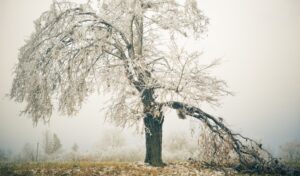
Ice storms are a recurring winter threat across the region. Heavy ice buildup can snap branches, uproot weakened trees, and cause major property damage. Professionally pruned trees are less likely to accumulate ice on crowded or overextended limbs, helping them shed weight safely and remain stable through freeze–thaw cycles.
Winter pruning addresses these risks before they become costly emergencies. By removing weak, diseased, or poorly attached branches during dormancy, arborists strengthen tree structure, reduce storm-related hazards, and lower liability concerns for homeowners.
3. Dormant Pruning Lowers Costs and Increases Efficiency
Professional winter tree pruning offers compelling financial benefits that make early booking a smart investment. Understanding these cost advantages helps property owners make informed scheduling decisions.
Professional arborists can work more efficiently during the dormant season, which can lead to savings for homeowners. Without leaves obstructing visibility, ISA Certified Arborists can quickly assess multiple trees and make precise pruning decisions in a fraction of the time required during the growing season.
This efficiency translates to:
- Reduced per-tree cost when scheduling multiple trees at once
- Reduced cleanup expenses without leafy debris management
- Faster project completion, minimizing disruption to property use
- Optimal tree response as dormant trees compartmentalize wounds more effectively
Hudson Valley winter conditions create unique advantages unavailable in other seasons. Frozen ground supports heavy equipment without the ruts, compaction, and landscape damage that plague growing-season projects.
4. Winter Pruning Promotes Faster, Healthier Healing
Dormant trees respond to pruning cuts differently than actively growing trees, creating conditions that promote faster, more effective healing with fewer complications.
When trees are dormant, they direct available energy exclusively toward compartmentalizing wounds rather than competing with active leaf production, flowering, or fruit development. This focused healing response creates stronger callus tissue around pruning cuts, reducing the window of vulnerability to pathogen entry.
Spring and summer pruning forces trees to divide resources between wound closure and active growth demands. This competition can slow healing and increase stress on trees already working hard to produce leaves and expand their canopy.
Winter pruning timing also means wounds have begun the compartmentalization process before spring growth resumes, giving trees a head start on protection when insect and disease pressure increases with warmer weather.
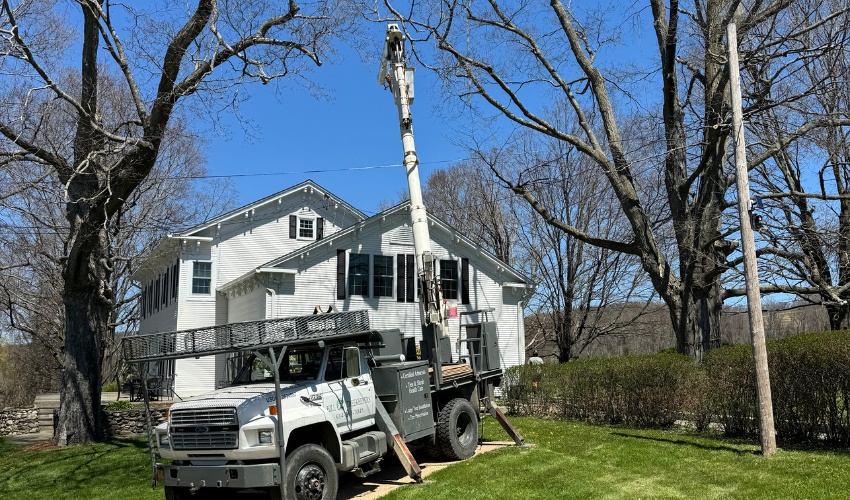
Professional equipment with ground protection ensures safe tree access without landscape damage in the winter.
5. Dormant Season Pruning Reduces Stress on Trees
During the growing season, trees actively transport water, nutrients, and sugars throughout their vascular system. Pruning cuts during this period result in significant sap loss that weakens trees and attracts insects to fresh wounds.
Dormant trees, on the other hand, have already moved stored sugars down into root systems for winter. Pruning cuts during dormancy result in minimal sap loss because the vascular system isn’t actively transporting fluids under pressure.
This reduced stress allows trees to focus energy on wound response rather than recovering from fluid loss. The result is healthier trees with stronger compartmentalization of pruning wounds and reduced vulnerability to secondary problems.
Frequently Asked Questions About Dormant Pruning
How far in advance should I book dormant pruning?
Professional arborists recommend booking 3-4 months ahead for optimal scheduling. The combination of limited timing windows and specialized expertise creates intense demand among educated property owners.
Can you really assess tree health without leaves?
ISA Certified Arborists focus on structural evaluation, which is more accurate without foliage obstruction. Modern diagnostic techniques provide reliable health and stability information regardless of season.
What if the weather delays my scheduled work?
Professional services build weather contingencies into winter scheduling. Most tree work can proceed in a range of winter conditions, and experienced arborists understand safe working limits.
Do I need permits for tree pruning?
Requirements vary by municipality and species. Professional arborists understand local regulations and can advise during consultation. Some areas, like Newburgh, require permits for certain work in historic districts.
Can you coordinate multiple tree species in one visit?
Yes, the dormant season allows efficient multi-species care in single visits. Professional arborists can coordinate elm disease prevention, oak best practices, and fruit tree production enhancement simultaneously.
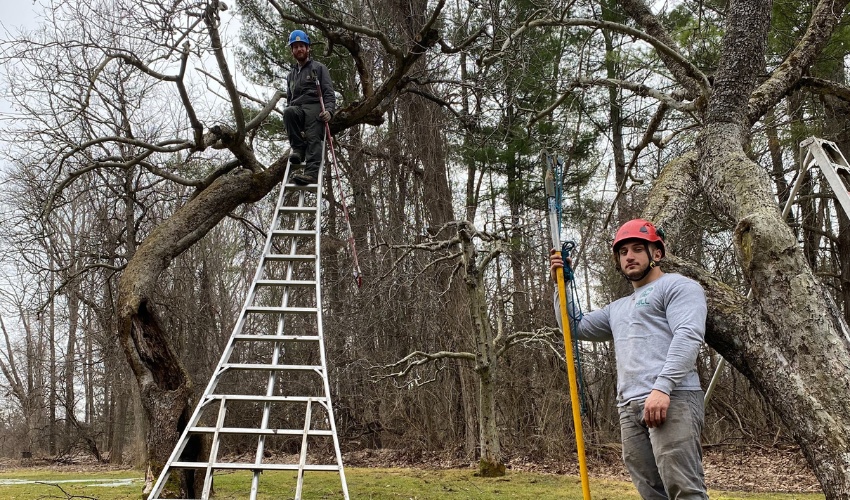
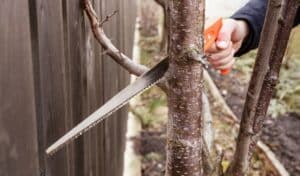
Our ISA Certified Arborists can make precise decisions about which branches to cut on a fruit tree in the winter.
Don’t Wait – Book Your Dormant Pruning Appointment Now with Hill Treekeepers
The best time to care for your trees is before they start growing again. Winter pruning sets your trees up for healthy spring growth, improves structure, and prevents disease — all while conditions are safest for pruning.
At Hill Treekeepers, our ISA Certified Arborists specialize in precise, biology-based pruning that keeps your trees healthy year-round. Homeowners across the Hudson Valley trust our team for reliable winter scheduling, expert diagnosis, and long-term tree preservation.
Call Hill Treekeepers today at 914-214-7045 or request your quote online to secure your dormant pruning appointment.
Share this online!

Get the highest quality of tree services for residential and commercial properties in the Hudson Valley area. We look forward to working with you!
TOPICS
Recent Articles



Don't Miss the Next Update!
Join the thousands of smart Hudson Valley residents who get the monthly newsletter from Hill Treekeepers. It's full of helpful information you won't want to miss!

